
Is Red Bull drink good for you?
Red Bull can make you feel more awake, but that does not mean it is “good for you” in the way water, coffee, tea, or a balanced snack can be. It is an energy drink with caffeine, sugar or sweeteners, and added B vitamins. For some adults, an occasional can is unlikely to be a problem. For others, especially people sensitive to caffeine, it can cause jitters, poor sleep, a racing heart, or a sugar crash.
The honest answer is simple: Red Bull is a stimulant drink, not a health drink. Whether it fits your life depends on how often you drink it, what else you consume that day, and your health situation.

What is actually in Red Bull?
A regular 250 ml can of Red Bull contains a mix of ingredients designed to make the drink taste sweet and feel stimulating. The main ones are:
Caffeine
A standard 250 ml can has about 80 mg of caffeine. That is similar to a small cup of coffee, though coffee strength varies a lot.
Sugar
A regular can has around 27 g of sugar. That is a meaningful amount, especially if you drink it often or already get a lot of sugar from other foods and drinks.
Taurine
Taurine is an amino acid found naturally in the body and in foods such as meat and fish. Energy drinks often add it, but that does not automatically make the drink healthy.
B vitamins
Red Bull contains added B vitamins. These help the body use energy from food, but they do not give energy in the same way calories do. If you already get enough B vitamins, more does not usually mean better performance.
Carbonated water, acids, flavours, and colours
These affect taste, fizz, and shelf life.
Sugar-free versions remove the sugar and use sweeteners instead. That lowers calories and avoids the sugar hit, but the caffeine is still there.
The main benefit is alertness
The reason Red Bull feels effective is mostly caffeine. Caffeine blocks adenosine, a brain chemical that builds up through the day and makes you feel sleepy. When caffeine gets in the way, you can feel more alert, focused, and awake.
That can be useful in specific moments. For example:
During a long drive, when used responsibly and paired with real rest breaks
Before a workout, if caffeine agrees with your body
During a long study session, when sleep has not been badly neglected
At work, when you need a short lift and are not overdoing caffeine
But caffeine does not erase tiredness. It only masks it for a while. If you are sleep deprived, Red Bull may help you push through a short task, but it does not replace sleep. The tiredness often returns later, sometimes harder.
So, Is Red Bull drink good for you? If “good” means a quick boost, sometimes. If “good” means supporting long-term health, not really.
The drawbacks matter more if you drink it often
One can now and then is different from having one or more every day. The more often you drink Red Bull, the more the downsides matter.
It can affect sleep
Caffeine can stay active in the body for hours. Even if you feel able to fall asleep, caffeine late in the day can reduce sleep quality. Poor sleep then makes you more likely to reach for another energy drink the next day.
That loop is common:
Sleep badly
Feel tired
Drink caffeine
Stay wired too late
Sleep badly again
If Red Bull is part of that cycle, the problem is not just the drink. It is the pattern.
It can cause jitters or anxiety
Some people handle caffeine well. Others feel shaky, tense, restless, or irritable after one can. The effect can be stronger if you drink it on an empty stomach or combine it with coffee, pre-workout powder, or other caffeine sources.
A racing heart after an energy drink is a sign to slow down and pay attention. If symptoms are strong, unusual, or worrying, it is best to seek medical advice.
The sugar adds up
A regular can has enough sugar to matter. If you drink one daily, that is a lot of added sugar over time. Sugar-sweetened drinks can also be easy to consume without feeling full, which makes them different from eating a meal or snack.
Sugar-free Red Bull avoids this issue, but it does not solve everything. It still contains caffeine and acids, and sweet drinks can keep the habit of craving very sweet flavours alive.

Who should be more careful with Red Bull?
Red Bull is not a great choice for everyone. Some people should be more cautious or avoid it unless a healthcare professional says otherwise.
Be careful if you:
Are sensitive to caffeine
Have heart rhythm issues or uncontrolled high blood pressure
Are pregnant or breastfeeding
Are a child or teenager
Take medication that may interact with caffeine
Have anxiety or panic symptoms that caffeine can worsen
Already drink coffee, tea, cola, or pre-workout products daily
Many health authorities advise healthy adults to keep total caffeine intake within moderate limits. The exact safe amount varies by person, and lower limits apply during pregnancy. The key word is total. Red Bull counts alongside coffee, tea, chocolate, cola, and supplements.
Mixing energy drinks with alcohol also deserves caution. Caffeine can make a person feel more awake while alcohol still affects judgement, coordination, and reaction time. That combination can lead people to underestimate how impaired they are.
Red Bull before exercise is not the same as good nutrition
Some people use Red Bull before the gym, a run, or a long sports session. Caffeine can improve alertness and may help some people feel more ready to train. But Red Bull is not the same as a proper sports nutrition plan.
For everyday exercise, most people do better with basics:
Enough water
A balanced meal a few hours before training
A small snack if needed
Good sleep
Consistent training
For longer or intense workouts, electrolytes and carbohydrates may matter more than a general energy drink. Red Bull can provide sugar and caffeine, but it is not tailored to hydration in the way a sports drink may be.
It can also upset some stomachs, especially because it is carbonated and acidic. If it makes you burp, cramp, or feel sick during exercise, it is not the right pre-workout choice for you.
What about sugar-free Red Bull?
Sugar-free Red Bull is better if your main concern is added sugar or calories. It avoids the large sugar load of the regular version. That can make it a more sensible choice for some adults who still want the caffeine.
But sugar-free does not mean harmless. It still has:
Caffeine
Acidity
Sweeteners
The same habit-forming “quick boost” pattern
If you use sugar-free Red Bull once in a while, that is very different from relying on several cans every day to function. The caffeine habit is still the part to watch.
How to drink Red Bull more sensibly
If you enjoy Red Bull and do not want to give it up completely, a few simple rules can lower the downsides.
Keep it occasional
Treat it like a stimulant drink for specific moments, not a daily replacement for sleep, meals, or hydration.
Watch the clock
Avoid having it late in the day. Many people do better cutting off caffeine by the afternoon, though personal tolerance varies.
Do not stack caffeine
If you have Red Bull, think twice before also having strong coffee, pre-workout, or other energy drinks.
Choose the size carefully
A smaller can is easier to manage than larger servings. More is not automatically better.
Have it with food if needed
If caffeine on an empty stomach makes you shaky, drink it with a snack or meal.
Pay attention to your body
Jitters, poor sleep, heart palpitations, headaches, or anxiety are useful signals. Do not ignore them just because the drink is common.
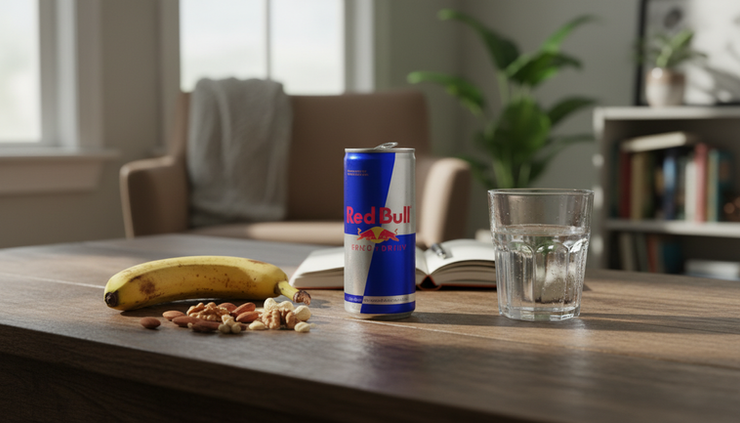
Better options when you need energy
Before reaching for Red Bull, it helps to ask what kind of “energy” you actually need.
If you are sleepy, you may need rest. A short nap, earlier bedtime, or light exposure in the morning may help more than another caffeine hit.
If you are hungry, you may need food. A snack with protein, fibre, or slow-digesting carbohydrates can give steadier energy than sugar alone.
If you are dehydrated, you may need water. Even mild dehydration can make you feel tired or foggy.
Good alternatives include:
Water with a meal or snack
Coffee or tea, if you want caffeine with less sugar
Sparkling water if you mainly want fizz
Fruit and yoghurt
Wholegrain toast with peanut butter
Eggs, nuts, or other protein-rich snacks
None of these feel as dramatic as an energy drink. That is partly the point. Steady energy usually feels less exciting, but it tends to work better over the day.
So, is Red Bull good for you?
Red Bull is not a health drink, but it is not automatically dangerous for every adult who drinks it occasionally. Its value is narrow: it can provide a short-term caffeine boost. Its downsides are also clear: sugar, sleep disruption, caffeine side effects, and the risk of using it as a crutch.
A sensible takeaway is this:
If you are healthy, tolerate caffeine well, and drink Red Bull once in a while, it can fit into your life. If you rely on it daily, sleep poorly, feel anxious or jittery, or drink multiple caffeinated products, it is worth cutting back.
This article is for general information only and is not medical advice. If you have a heart condition, are pregnant, take medication, or feel unwell after energy drinks, ask a qualified healthcare professional before drinking them.


Comments