
Jasmine Rice Wholesaler and Supplier Guide for B2B Price per Ton of Jasmine Rice
Buying jasmine rice at scale is not just a price exercise. For importers, distributors, food manufacturers, hotel groups, retailers, and institutional buyers, the real target is consistent quality at a landed cost that protects margin.
Jasmine rice has strong appeal because of its natural aroma, soft texture, and long-grain appearance. It is common in Asian cuisine, ready-meal production, retail packs, foodservice menus, and private label programs. That demand makes supplier selection more important. A low quote can become expensive if the crop is inconsistent, the shipment is delayed, or the rice does not meet the agreed specification.
This guide explains how B2B buyers should assess a jasmine rice wholesaler, compare pricing, and understand the factors behind the price per ton of jasmine rice.
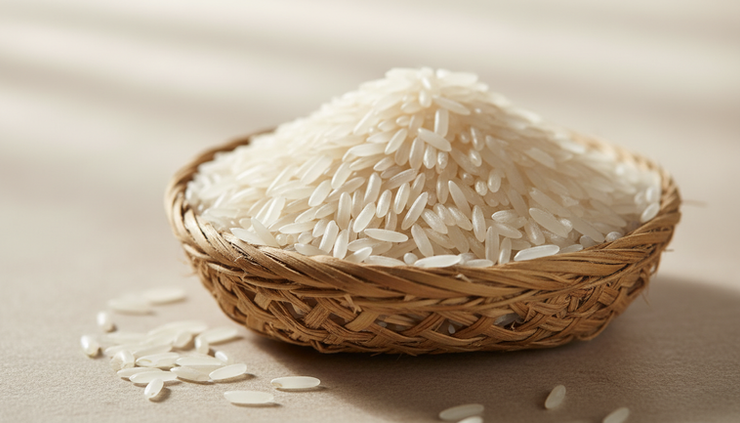
What makes jasmine rice wholesalers different in B2B trade
Jasmine rice is a fragrant long-grain rice known for its soft and slightly sticky texture after cooking. It is often sourced from major rice-producing countries in Asia, with Thailand, Vietnam, Cambodia, and neighboring regions commonly associated with fragrant rice varieties.
For B2B purchasing, the main difference is that jasmine rice is often bought against a clear quality specification. Buyers usually compare:
Grain length and appearance
Percentage of broken rice
Moisture level
Crop year
Aroma quality
Milling degree
Foreign matter limits
Packaging type
Certifications and inspection documents
A retail consumer may judge rice after cooking one bag. A B2B buyer must judge whether hundreds of tons will perform the same way across many customers, kitchens, or production lines.
That is why the cheapest offer is not always the best one. The right jasmine rice supplier should be able to provide product details, packing options, export documents, and consistent shipment planning.
The main pricing factors behind jasmine rice per ton
The price per ton of jasmine rice changes with both market conditions and product specifications. B2B buyers should treat every quote as a combination of rice quality, logistics, packaging, and payment terms.
Crop quality and origin affect the base price
Jasmine rice quality can vary by origin, crop season, weather, storage, and milling standards. Rice with stronger aroma, better grain uniformity, and fewer broken grains usually commands a higher price.
Common quality differences include:
100 percent jasmine rice
Usually priced higher because it offers stronger consistency and aroma.
Jasmine rice with broken percentage
A lower broken percentage usually costs more. Higher broken content may suit some foodservice or processing uses.
New crop and old crop
New crop rice may have stronger fragrance, while aged rice can cook differently. The right choice depends on the end use.
White jasmine rice and brown jasmine rice
Brown jasmine rice often has different storage, shelf life, and handling needs.
For B2B buyers, the key is to define the intended use first. Retail private label rice, airline catering, restaurant supply, and ready-meal production may each require a different specification.
Packaging changes the total cost
Bulk rice pricing often starts with the product itself, but packaging can shift the final price. A shipment in 25 kg or 50 kg bags may cost less per ton than small retail-ready bags. Printed private label packaging can add cost through bag production, minimum order quantities, design setup, and longer lead times.
Common B2B packaging formats include:
1 kg, 2 kg, and 5 kg retail bags
10 kg and 20 kg consumer or foodservice bags
25 kg and 50 kg wholesale sacks
Jumbo bags for industrial users
Private label printed bags
Food manufacturers often prefer larger formats to reduce handling cost. Retailers may accept higher packaging cost if shelf presentation and brand control are priorities.
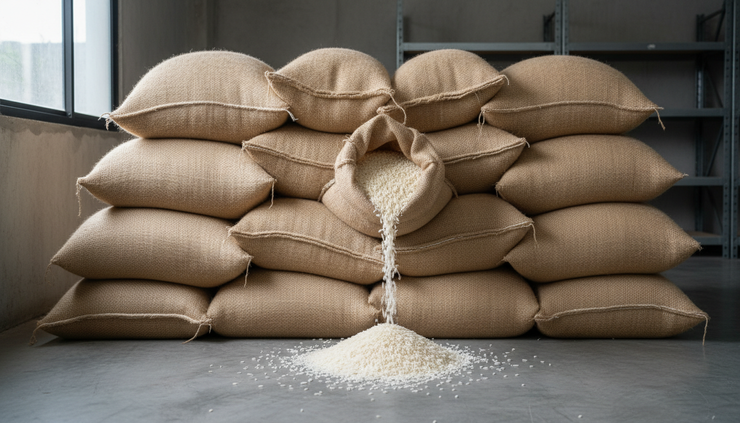
How to compare quotes from jasmine rice suppliers
A proper B2B quote should be specific enough to compare against other offers. If one supplier quotes a lower number but leaves out details, the buyer may not know what is included.
When requesting pricing, ask for the same information from every supplier:
Quote item | Why it matters |
Rice origin | Helps compare quality, aroma, and buyer preference |
Crop year | Affects fragrance, cooking behavior, and stock freshness |
Broken percentage | One of the clearest quality and price drivers |
Moisture level | Supports storage safety and product consistency |
Packing format | Changes packing cost and logistics efficiency |
Incoterms | Defines who pays freight, insurance, and port charges |
Minimum order quantity | Affects buying flexibility and cash flow |
Lead time | Helps plan inventory and sales commitments |
Payment terms | Impacts working capital and risk |
Inspection documents | Supports quality control and import compliance |
A quote for FOB pricing cannot be compared directly with CIF pricing unless the buyer adjusts for freight, insurance, destination charges, duties, and local inland transport.
That is why B2B buyers often look beyond the supplier’s headline offer and calculate landed cost. The lowest mill price may not give the lowest delivered cost.
Understanding the price per ton for B2B planning
The price per ton for jasmine rice can move due to harvest size, exchange rates, freight costs, container availability, fuel prices, export policies, and global demand. Because these factors shift, buyers should avoid building a long-term sales program around a single spot quote.
A practical B2B buying plan should include:
A target specification
A realistic price range
A preferred shipping schedule
A buffer for price movement
A clear reorder point
A backup supplier option
For distributors and wholesalers, inventory timing matters. Buying too little can lead to stockouts and customer loss. Buying too much can tie up cash and increase storage risk, especially if warehouse conditions are not ideal.
For food manufacturers, rice price changes can affect recipe cost. In that case, the purchasing team may need stable supply contracts or scheduled shipments instead of irregular spot buying.
Quality checks before placing a bulk order
Before committing to a large shipment, request a representative sample. The sample should match the quoted specification and expected shipment quality. For repeat orders, keep an approved sample as a reference.
Key checks include:
Visual grain inspection
Aroma test before and after cooking
Broken grain estimate
Cooking texture
Moisture and cleanliness
Packaging strength
Label accuracy, if retail packed
For larger contracts, third-party inspection can help reduce risk. Inspection may cover weight, packing, container condition, fumigation status, and product quality. The need for inspection depends on order size, buyer experience, supplier history, and destination market rules.
For B2B rice buying, written specifications protect both sides. If the shipment standard is not clear, price comparisons lose value.
Questions to ask before choosing a supplier
The right supplier should be able to answer detailed commercial and quality questions without vague promises. Before placing an order, ask:
What jasmine rice grades are available?
What is the minimum order quantity by packaging type?
Can the supplier provide private label packing?
Which Incoterms are offered?
What documents are included with shipment?
Can samples be sent before order confirmation?
How is quality checked before loading?
What is the normal production and shipping lead time?
Are repeat shipments available on a schedule?
What happens if the shipment does not match the agreed specification?
A supplier that gives clear answers early usually reduces problems later. For B2B buyers, communication quality often reflects operational quality.

Common mistakes in bulk jasmine rice buying
Many B2B rice buying problems come from unclear assumptions. The most common mistakes include chasing the lowest quote without checking the specification, ignoring Incoterms, skipping samples, and failing to confirm packaging details.
Another common issue is treating all jasmine rice as the same. Two offers can both say “jasmine rice” but differ in origin, crop age, broken percentage, aroma, and packing quality.
Buyers should also be careful with very broad requests such as “best price for one container.” A supplier can only give a useful quote when the buyer provides enough detail. A stronger request would include grade, broken percentage, packing size, destination port, target quantity, and required documents.
Build a reliable B2B buying process
A strong jasmine rice purchasing process does not need to be complicated. It needs to be consistent.
Start with a written product specification. Request comparable quotes from shortlisted suppliers. Review samples before confirming bulk orders. Clarify Incoterms and shipping responsibilities. Calculate landed cost, not only the supplier’s price. Keep records of shipment quality, claims, lead times, and customer feedback.
Over time, this gives the buying team a real supplier performance record. That record is more useful than a one-time low price.
For B2B buyers, the best jasmine rice partner is not only the one with attractive pricing. It is the supplier that can deliver the agreed quality, documentation, packing, and timing again and again. When the rice matches the specification and the total cost is clear, the price per ton becomes a decision tool rather than a risk.


Comments