
price per ton for corn oil
Corn oil pricing looks simple until a quote lands in your inbox. One supplier offers crude corn oil by metric ton. Another quotes refined oil in flexitanks. A third includes drums, documents, and port delivery. The numbers may all look “per ton,” but they are not always pricing the same product.
For buyers, the goal is not just to find the lowest figure. The goal is to understand what sits behind the quote, what can change before shipment, and how to compare offers fairly.

What the per-ton corn oil price usually means
A per-ton quote normally refers to one metric ton of corn oil, equal to 1,000 kilograms. That sounds clear, but the quote can differ based on several details.
A supplier may quote:
Crude corn oil Usually less processed, often sold for refining, food manufacturing, animal feed, or industrial use depending on quality and regulations.
Refined corn oil Processed to remove impurities, odor, and unwanted color. This usually carries a higher cost than crude oil.
Bulk corn oil Shipped in tanks, flexitanks, or large containers. This can reduce packaging cost per ton.
Packaged corn oil Sold in bottles, tins, or jerry cans. The oil itself may be priced per ton, but packaging adds a separate cost or gets built into the final quote.
The price per ton for corn oil also depends on whether the offer is for the product at the factory, at a port, or delivered to the buyer’s destination. A low factory price can become expensive once inland transport, freight, insurance, duties, inspection, and local handling are added.
The main factors that shape corn oil prices
Corn oil comes from corn germ, which is a by-product of corn milling. Because of that, its price does not move only with cooking oil demand. It also reflects the wider corn market and the economics of starch, sweetener, ethanol, and feed production.
Corn supply and harvest conditions
Corn oil begins with corn. Weather, harvest size, crop quality, and planting decisions can all affect availability. Strong corn production can support supply, while drought, flooding, or poor yields may tighten the market.
The link is not always direct. A large corn crop does not automatically mean cheap corn oil. Milling demand, processing capacity, and local usage also matter.
Crude oil availability from mills
Corn oil is often extracted during wet milling or dry milling. If mills are running at high capacity, more corn germ or distillers corn oil may enter the market. If milling slows, available oil can become tighter.
This is one reason buyers should track supply from processors, not only general corn prices.
Refining cost
Refining adds cost. The final price may include steps such as:
Degumming
Neutralizing
Bleaching
Deodorizing
Filtering
Quality testing
Food-grade refined corn oil must meet buyer specifications and local rules. Better color, odor, clarity, and shelf stability can raise the price, especially for retail packaging.
Freight and container conditions
International buyers often see large differences between product cost and landed cost. Freight can change quickly, especially on busy trade lanes or during port disruptions.
A quote that looked competitive last month may no longer work if container rates rise, local trucking costs increase, or shipping schedules tighten.
Currency movement
Corn oil is often traded in major currencies such as US dollars. If the buyer’s local currency weakens before payment, the landed cost can rise even if the supplier’s price stays the same.
For importers and wholesalers, currency timing can matter almost as much as the supplier quote.
How to compare offers from suppliers
Do not compare two per-ton prices until the quote terms match. A clean comparison needs the same product grade, packaging, shipment term, and payment basis.
Quote detail | Why it matters |
Product type | Crude and refined oils should not be compared as equal products. |
Quality specification | Free fatty acids, moisture, color, odor, and purity can affect price. |
Packaging | Bulk flexitank, drums, tins, and retail bottles have different costs. |
Incoterms | EXW, FOB, CIF, and delivered terms include different responsibilities. |
Minimum order quantity | A full container may cost less per ton than a small mixed order. |
Inspection and documents | Certificates, analysis reports, and export paperwork can add cost. |
Payment terms | Advance payment, letter of credit, or credit terms can affect the quote. |
A practical way to compare offers is to build a landed-cost sheet. Start with the oil price, then add packaging, inland transport, port charges, ocean freight, insurance, duty, customs clearance, local transport, and storage.
For retailers, this shows whether a bottled product still leaves enough margin on the shelf. For wholesalers, it helps set a resale price that covers handling and market risk.

Corn oil versus other vegetable oils
Corn oil does not trade in isolation. Buyers often compare it with soybean oil, sunflower oil, canola oil, and palm oil. If one oil becomes expensive or hard to source, food makers and distributors may look at substitutes, subject to taste, labeling rules, nutrition requirements, and customer preference.
A buyer checking a quote from a corn oil wholesaler may also compare it with the price per ton for palm oil, especially when supplying food service or manufacturing customers. Palm oil often serves different uses because of its texture and fat profile, so the cheaper option is not always the right option.
A corn oil exporter may price more aggressively in one region than another depending on local supply, port access, and available shipping routes. That can create opportunities, but it also means importers should check the supplier’s track record and documents carefully.
What should be included in a serious corn oil quote
A reliable quote should give enough detail to avoid confusion later. If key information is missing, ask before treating the price as firm.
Look for these items:
Seller name and country of origin
Product type and grade
Quantity in metric tons
Packaging type and pack size
Incoterm and named place or port
Price validity period
Estimated production or shipment timing
Payment terms
Quality specification
Required certificates
Shelf life for refined packaged oil
Loading details, such as container type or flexitank use
For food-grade oil, documentation matters. Buyers may need a certificate of analysis, health certificate, origin certificate, packing list, commercial invoice, and any market-specific documents required by local authorities.
A very cheap quote without clear specifications can cost more later. It may lead to rejected cargo, delays at customs, repacking costs, quality disputes, or lost shelf time.
How retailers and wholesalers can protect margins
Corn oil margins can shrink quickly when purchase costs move before shelf prices change. Retailers and wholesalers can reduce risk by planning for price movement instead of reacting after it happens.
Useful habits include:
Review quotes on a fixed schedule Weekly or biweekly checks help spot shifts early.
Separate oil cost from logistics cost This makes it easier to see whether the product or freight is causing the change.
Keep more than one qualified supplier A second source gives room to negotiate and protects supply.
Watch expiry and stock turnover Buying too much to chase a lower per-ton price can backfire if stock moves slowly.
Use clear resale margins Build pricing with room for freight changes, local handling, discounts, and returns.
Retail buyers should also consider packaging. A low per-ton bulk price may not help if local bottling, labeling, and compliance costs are high. On the other hand, imported finished packs may cost more per ton but save labor and time.
Questions to ask before accepting a per-ton price
Before confirming an order, ask direct questions. Clear answers reduce disputes.
Is the oil crude, refined, or fully retail-ready?
Is the price based on net oil weight or gross packed weight?
Which port or delivery point does the quote cover?
How long is the price valid?
What quality limits are guaranteed?
Who pays for inspection?
What happens if shipment is delayed?
Are packaging materials food-grade and export-ready?
Can the supplier provide recent product photos and documents?
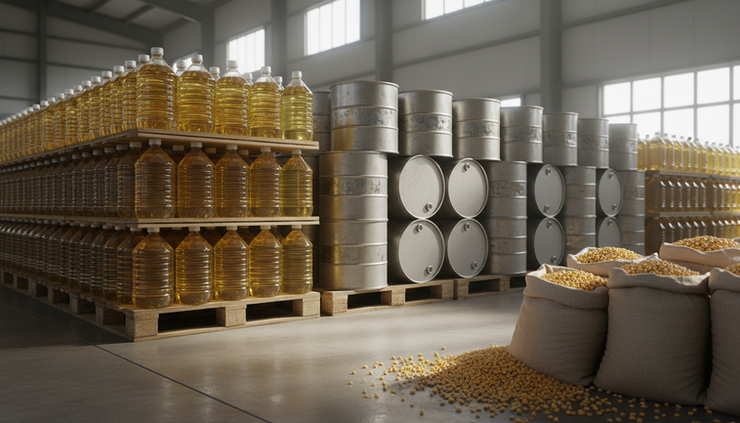
The request for recent photos is simple but useful. Actual corn oil images can help confirm packaging style, label condition, oil clarity, bottle type, drum condition, and loading preparation. Photos do not replace inspection, but they can catch obvious mismatches early.
A sensible way to read the market
Corn oil prices can shift because of crop conditions, refining demand, substitute oil markets, freight costs, and currency changes. No single quote tells the whole story.
The best approach is to compare offers on a landed-cost basis, confirm the product specification, and check whether the supplier can support the order with proper documents and consistent quality. A lower per-ton number only helps if the oil arrives on time, meets the agreed standard, and can be sold at a fair margin.
For any corn oil purchase, focus on three things before the price alone: grade, delivery terms, and total landed cost. That is the difference between a cheap quote and a profitable buy.


Comments