
Soybean Oil Wholesaler
Soybean oil is one of the most traded edible oils in the world, but buying it well is not as simple as asking for the lowest quote. The right supplier affects shelf life, documentation, container loading, retail consistency, and margins. A reliable soybean oil wholesaler should help buyers understand grade, packing, quantity, origin, logistics, and payment terms before an order is confirmed.
For importers, wholesalers, retailers, and food buyers, small details matter. A weak label seal can cause leakage. Missing certificates can delay customs clearance. A vague price can change after freight is added. This guide explains what to check before choosing a supplier and how to compare offers with more confidence.

What a soybean oil wholesaler should provide
A good soybean oil wholesaler does more than sell bulk oil. The supplier should provide clear product details, stable packing options, and documents that match the needs of the destination market.
At a basic level, the offer should state:
Product type, such as refined soybean oil or crude soybean oil
Packing size, such as PET bottles, jerry cans, drums, flexitanks, or IBC tanks
Minimum order quantity
Loading quantity per container
Country of origin
Shelf life and storage conditions
Payment terms
Delivery terms, such as FOB, CFR, or CIF
Required certificates and inspection options
Refined soybean oil is the most common choice for retail shelves, food service, and household cooking. It is light in colour, neutral in taste, and suitable for general frying, baking, and cooking. Crude soybean oil is usually bought for further processing, refining, or industrial use.
The most professional suppliers make these differences clear. They do not use one vague description for every buyer. A retailer may need 1 litre and 5 litre bottles with private label options. A distributor may need 20 litre jerry cans. A large importer may prefer flexitanks because they lower packaging cost per ton.
How to compare soybean oil offers without confusion
Price is important, but it should never be checked alone. Two offers can look similar until the buyer reviews what is included. One quote may include export packing and documentation. Another may only include oil at the factory gate.
When comparing suppliers, review the full commercial picture.
What to check | Why it matters |
Oil grade | Refined and crude oil serve different uses |
Packing | Bottles, drums, and flexitanks affect cost and handling |
Incoterms | FOB, CFR, and CIF change who pays for freight and risk |
Loading quantity | Better container use can reduce landed cost |
Documents | Missing papers can delay customs and release |
Lead time | Production and loading schedules affect stock planning |
The price per ton for soybean oil can move with soybean crop conditions, demand from food manufacturers, biodiesel demand, freight rates, currency changes, and global vegetable oil markets. A serious supplier should explain whether the quotation is valid for a fixed period and whether freight is included.
For bottled oil, compare the price by carton, bottle, and container. For bulk oil, compare cost per metric ton and estimated landed cost. This gives a clearer view of real margin.
Quality signs buyers should not ignore
Soybean oil quality starts with the raw material and continues through processing, storage, packing, and transport. Clean, clear oil is expected, but appearance alone is not enough. Buyers should ask for a specification sheet before confirming a bulk order.
Common quality details include:
Colour
Odour and taste
Free fatty acid level
Moisture level
Peroxide value
Iodine value
Expiry date or best-before period
Batch number and production date
The exact specification depends on the oil grade and intended use. For retail edible oil, the product should meet food safety rules in the destination country. Buyers should also confirm label requirements, especially nutrition panels, ingredient declarations, language rules, barcode placement, and expiry format.
A low price loses value fast if the shipment arrives with weak cartons, leaking caps, poor labelling, or incomplete documents.
Retailers should pay close attention to packaging strength. Bottles travel through loading, sea freight, unloading, warehousing, and store handling. Cartons must protect the product during that full route.

Packaging choices for wholesale soybean oil
The best packing format depends on the buyer’s sales channel and storage setup. A supermarket buyer may need small bottles. A restaurant distributor may prefer jerry cans. A refinery or manufacturer may need bulk oil.
PET bottles
PET bottles are common for retail. Sizes often include small household bottles and larger family-size bottles. They are easy to display and simple for consumers to use. For export, attention should go to cap quality, label adhesion, carton strength, and pallet arrangement.
Jerry cans
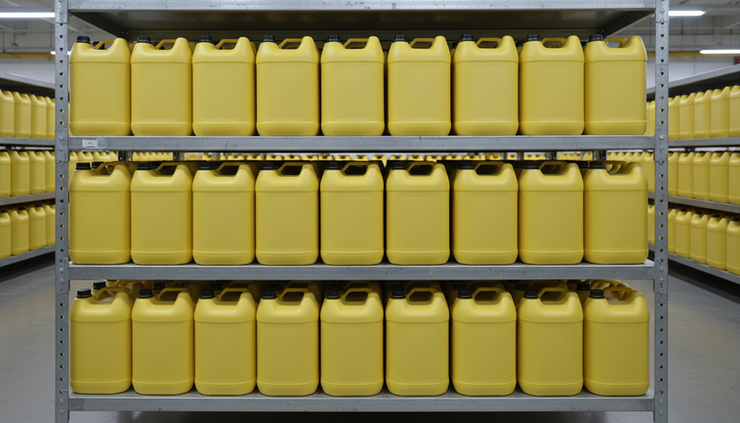
Jerry cans suit food service, restaurants, catering companies, and wholesale markets. They hold more oil per unit and reduce packaging waste compared with small bottles. They also work well where buyers want a practical, durable format.
Drums and IBC tanks
Steel or plastic drums and IBC tanks are suitable for industrial users and mid-size bulk buyers. They are easier to handle than flexitanks when buyers do not have bulk discharge systems.
Flexitanks
Flexitanks are often used for large-volume shipments of edible oils. They can reduce packaging costs and use container space well. Buyers need proper storage tanks and unloading equipment at destination. They should also confirm the flexitank is food grade and suitable for edible oil.
Documentation matters as much as the oil
A shipment can be high quality and still create problems if the paperwork is wrong. Importers should confirm document requirements before production starts, not after the container has shipped.
Common export documents may include:
Commercial invoice
Packing list
Bill of lading
Certificate of origin
Health certificate or food safety certificate, where required
Certificate of analysis
Phytosanitary certificate, if applicable
Insurance certificate, when included under the sales term
The exact list depends on the destination country and product type. Some markets require specific label language, registration, or inspection before arrival. A capable soybean oil exporter, soybean oil wholesaler should be familiar with these checks and ready to prepare documents accurately.
Buyers should also match the documents with the physical goods. Product name, net weight, carton count, batch number, and origin should be consistent across paperwork, labels, and packing lists.
Questions to ask before placing a wholesale order
Before signing a contract or paying a deposit, ask practical questions. Clear answers reduce surprises later.
Can the supplier provide a recent specification sheet?
Is the oil refined, bleached, and deodorised?
What is the shelf life from production date?
What packing sizes are available?
How many cartons, drums, or tons fit in one container?
Are private labels available?
What documents are included?
Can pre-shipment inspection be arranged?
What is the quotation validity period?
What happens if loading is delayed?
Samples can help, especially for bottled retail oil. They allow buyers to check colour, clarity, smell, cap quality, label finish, and carton strength. Still, samples do not replace shipment inspection. For large orders, many buyers use independent inspection before loading.
Storage and handling after arrival
Soybean oil should be stored in clean, dry, cool conditions, away from direct sunlight and strong odours. Heat, light, and poor storage can affect quality over time. Warehouses should keep cartons off wet floors and away from chemicals or scented goods.
For retailers, shelf rotation is essential. Older batches should sell before newer batches. For bulk users, tanks and pipes should be clean before discharge. Contamination can damage a full shipment and create serious loss.
Good handling protects the buyer’s investment after the container arrives. It also helps keep consumer trust, especially when the oil is sold under a store label or private brand.
Choosing a soybean oil wholesaler for steady supply
The best supplier is not always the cheapest one. A strong partner gives clear specifications, honest lead times, suitable packing, and correct documentation. They understand that importers and retailers need consistency, not only a one-time low quote.
When reviewing a new soybean oil wholesaler, start with a small or moderate trial order if possible. Check how the supplier communicates, prepares documents, packs goods, and handles loading. If the shipment arrives as promised, larger orders become easier to plan.
A smart purchase comes down to the full landed value. Look at product quality, packing strength, freight terms, documentation, payment safety, and after-arrival handling. When these pieces fit together, soybean oil becomes easier to trade, store, and sell with confidence.


Comments