
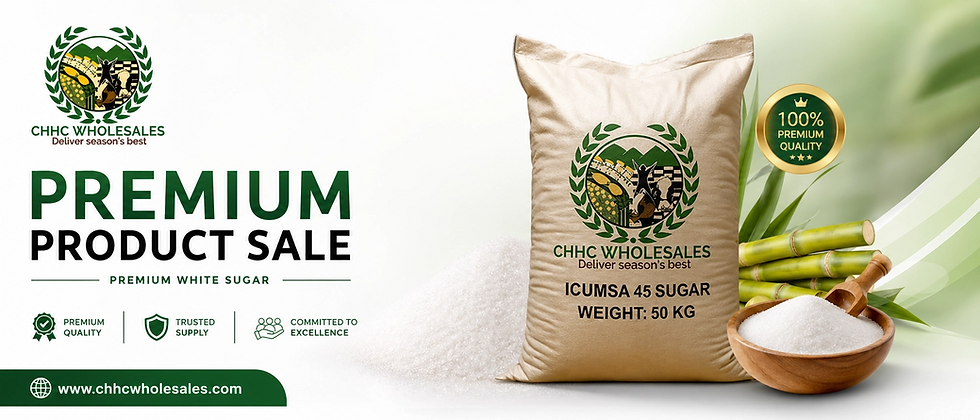
What is ICUMSA 45 Sugar?
A bag of white sugar can look simple, but in bulk trade the words on the specification sheet matter. One of the most common terms is ICUMSA 45, a grade that tells buyers about colour, refining quality, and suitability for many food and drink uses.
ICUMSA 45 sugar is a highly refined white sugar with a very low colour reading. It is usually made from cane sugar, though the key point is not the crop itself. The key point is the standard used to measure how white and clean the sugar is.

What ICUMSA means
ICUMSA stands for the International Commission for Uniform Methods of Sugar Analysis. It sets recognised methods for testing sugar quality, including colour.
In simple terms, ICUMSA colour values measure how much colour remains in sugar after refining. The lower the number, the whiter and more refined the sugar usually appears.
So when people say ICUMSA 45 Sugar, they are referring to sugar with a colour value of about 45 ICUMSA units. This places it among the whitest grades traded internationally.
This does not mean the sugar is “45 percent” anything. It is not a sweetness score, purity percentage, or grain size. It is mainly a colour and refinement indicator.
What ICUMSA 45 sugar is like
ICUMSA 45 is often described as refined white sugar. It is commonly used where a clean taste, bright colour, and consistent quality are needed.
A typical shipment or product specification may describe it with details such as:
Feature | What it usually means |
Colour | Very white, with a low ICUMSA colour reading |
Type | Refined white sugar, often from cane |
Taste | Sweet, neutral, and clean |
Texture | Free-flowing crystals or granules |
Use | Food manufacturing, drinks, baking, and retail packing |
Quality focus | Low colour, low impurities, and consistent appearance |
Exact specifications can vary by supplier, origin, contract, and testing method. Buyers should always review the full technical sheet, not only the grade name.
How ICUMSA 45 differs from other sugar grades
Sugar grades can look similar in everyday use, but the differences matter in food production and international trade.
Lower ICUMSA values usually mean a whiter product. Higher values mean more colour remains in the sugar. Brown sugar, raw sugar, and less refined sugar carry much higher colour readings because they contain more natural colour compounds or molasses residue.
Here is a simple way to think about it:
Sugar type | General appearance | Typical use |
ICUMSA 45 | Very white and refined | Drinks, confectionery, baked goods, retail sugar |
Refined white sugar with higher ICUMSA value | White to slightly off-white | General food use |
Raw or brown sugar | Golden to brown | Specialty baking, flavour-focused products |
Industrial sugar | Varies by spec | Processing where colour may matter less |
The difference is not only visual. A very white sugar is useful when colour consistency matters. For example, a clear beverage, white icing, or pale confectionery may show even small colour changes.

How ICUMSA colour is measured
ICUMSA colour is measured in a laboratory using defined analytical methods. The general process involves dissolving sugar in water and checking the colour of the solution with controlled equipment.
The result is expressed in ICUMSA units. A lower reading means the solution has less visible colour. A higher reading means it has more colour.
For buyers, this matters because visual checks alone are not enough. Two samples may look white to the eye but test differently in a lab. A written certificate from a trusted laboratory gives more confidence than a photo or verbal promise.
Common quality documents may include:
A product specification sheet
A certificate of analysis
A phytosanitary certificate, where required
A certificate of origin
Packaging and weight details
Loading and inspection documents
Not every transaction needs the same paperwork, but serious bulk trade depends on clear documentation.
Common uses for ICUMSA 45 sugar
ICUMSA 45 is popular because it works well in products where sugar should add sweetness without changing colour or flavour.
Common uses include:
Soft drinks and powdered drink mixes
Fruit preparations and syrups
Chocolate and confectionery
Biscuits, cakes, and pastries
Dairy products and desserts
Jams and preserves
Retail sugar packs
Food service supply
Its neutral taste makes it flexible. It does not bring the caramel notes of brown sugar or the stronger character of less refined sugars. That can be a benefit when the recipe needs a clean sweetness.
For example, a beverage producer may choose a very white refined sugar because the finished drink must stay clear or pale. A bakery may choose it because it blends easily and gives predictable results in icing, sponge cakes, or fillings.
What to check before buying ICUMSA 45 sugar
The name ICUMSA 45 is useful, but it should not be the only thing on a purchase order. Sugar is a commodity, and details such as packaging, origin, shipment terms, and inspection can affect the deal.
Before buying, review these points carefully.
Check the full specification
A complete specification should cover more than colour. It may include sucrose content, moisture, ash, polarisation, granulation, smell, and appearance.
Avoid relying on a single line that says “ICUMSA 45”. Ask for a full technical data sheet.
Confirm the test method
The colour value should come from recognised testing methods. Professional buyers often require inspection by an independent laboratory or inspection company.
If the seller cannot explain how the grade is verified, that is a warning sign.
Review packaging
ICUMSA 45 sugar is often packed in large bags for bulk trade or smaller bags for retail and food service. Packaging should protect the sugar from moisture, contamination, and damage during transport.
Common packaging options include:
25 kg bags
50 kg bags
Large bulk bags
Containerised bulk shipments
The right choice depends on handling equipment, storage space, and end use.
Be careful with unusually cheap offers
Bulk sugar trading can attract questionable offers, especially when prices look far below the market. A low quote may leave out freight, inspection, duties, financing costs, or realistic delivery terms.
A serious offer should make the basics clear:
Product grade
Quantity
Origin
Packaging
Delivery terms
Payment terms
Inspection process
Shipment timeline
If those details are vague, slow down before committing.

Is ICUMSA 45 the best sugar?
ICUMSA 45 is one of the whitest standard refined sugars, but “best” depends on the use.
For clear drinks, white confectionery, and products where appearance must stay bright, it is often a strong choice. For recipes where flavour depth matters, brown sugar, raw sugar, or specialty sugars may be better.
A simple rule works well:
Use ICUMSA 45 when you need clean sweetness, white colour, and consistent refining quality.
Use another grade when colour, molasses flavour, cost, or texture is more important than whiteness.
The main takeaway
ICUMSA 45 sugar is a highly refined white sugar grade defined by a low ICUMSA colour reading. It is widely used in food and beverage production because it offers clean sweetness, a bright appearance, and reliable consistency.
The grade name is a good starting point, but it is not enough on its own. For any serious purchase, ask for the full specification, lab-backed quality documents, clear packaging details, and realistic delivery terms. That is the difference between buying sugar by name and buying the right sugar for the job.


Comments